
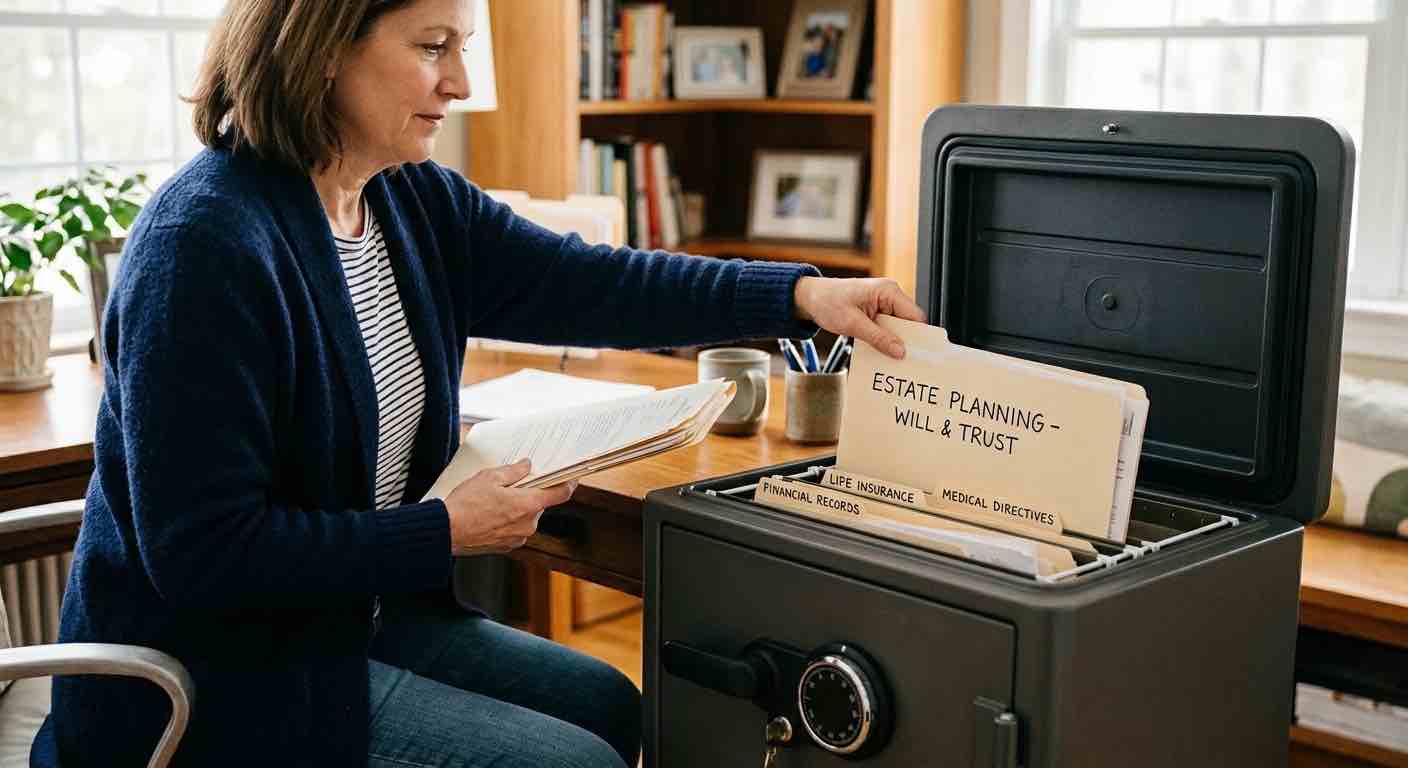
Creating a trust is a big step in an estate plan, but it is not always the final step. If some assets never make it into the trust, a pour-over will can help tie the plan together.
A pour-over will works alongside a revocable living trust. It provides a safety net by moving certain assets into the trust after your death if you did not transfer them during your lifetime. It is not a substitute for properly funding your trust. Instead, it helps keep your estate plan working the way you intended.
For individuals and families in Castle Rock and throughout Colorado, understanding how a trust and pour-over will work together can help you build a more complete estate plan.
What Is a Pour-Over Will?
A pour-over will is a type of will that works with an existing revocable living trust. Instead of distributing certain assets directly to beneficiaries, it directs qualifying property into your trust after your death.
The name comes from what the will is designed to do. If you still own assets in your individual name when you pass away, the will allows those assets to “pour over” into your trust. From there, the trustee manages and distributes them according to the trust’s instructions.
A trust serves as the primary plan for managing and distributing your assets. A pour-over will supports that plan by bringing certain assets into the trust if they were unintentionally left outside it.
How Does a Pour-Over Will Work With a Trust?
Ideally, you transfer major assets into your trust during your lifetime. Even with careful planning, though, it is easy to miss something. You might open a new bank account, buy property, receive an inheritance, or forget to transfer ownership of an investment account.
When that happens, a pour-over will acts as a safety net. Instead of allowing those assets to follow separate instructions, the will directs them into your trust. They then become part of your overall estate plan.
A Simple Example
Imagine you create a revocable living trust and transfer your home and investment accounts into it.
A few years later, you open a new savings account but never transfer ownership to the trust.
After your death, that account may need to pass through probate before it moves into your trust. Once it becomes part of the trust, the trustee manages and distributes it under the same instructions that apply to your other trust assets.
Instead of creating a separate distribution plan for that one account, the pour-over will helps bring it into the larger estate plan you already created.
Does a Pour-Over Will Avoid Probate?
This is one of the biggest misconceptions about pour-over wills.
The short answer is no.
If you still own assets in your individual name when you pass away, those assets may still go through probate if Colorado law requires it. After probate, they can move into your trust.
The value of a pour-over will is not necessarily avoiding probate. Instead, it helps make sure qualifying assets become part of your trust so one set of instructions governs how they are managed and distributed.
An experienced estate planning attorney Castle Rock residents trust can also help you decide which assets should move into your trust during your lifetime. That step can reduce the likelihood of probate whenever possible.
Is a Pour-Over Will Right for Everyone?
Not always.
A pour-over will is most useful when you already have a revocable living trust. If your estate plan only includes a traditional will, there is no trust for assets to move into.
The right estate plan depends on your family, your goals, and the property you own.
Some people only need a carefully prepared will. Others benefit from combining a trust with a pour-over will, beneficiary designations, financial and medical powers of attorney, and other estate planning documents.
A Castle Rock estate attorney can review your circumstances and recommend the planning tools that best fit your goals.
Keeping Your Estate Plan Up to Date
Creating a trust is only one part of the planning process.
As life changes, review your estate plan and make sure newly acquired assets are titled correctly. A pour-over will provides valuable backup protection. Still, moving assets into your trust during your lifetime usually creates a smoother administration for your loved ones.
It is also smart to review your plan after buying property, opening new financial accounts, getting married, welcoming children or grandchildren, or experiencing another major life event.
Plan Ahead with Mason Law and Planning
A strong estate plan is more than a collection of legal documents. Each piece should work together to support your wishes and make things easier for the people you care about.
If you have questions about trusts, pour-over wills, or whether this planning approach fits your goals, Mason Law and Planning is here to help. Call our office or reach out through our website to schedule a conversation about creating an estate plan that protects your legacy for the future.