
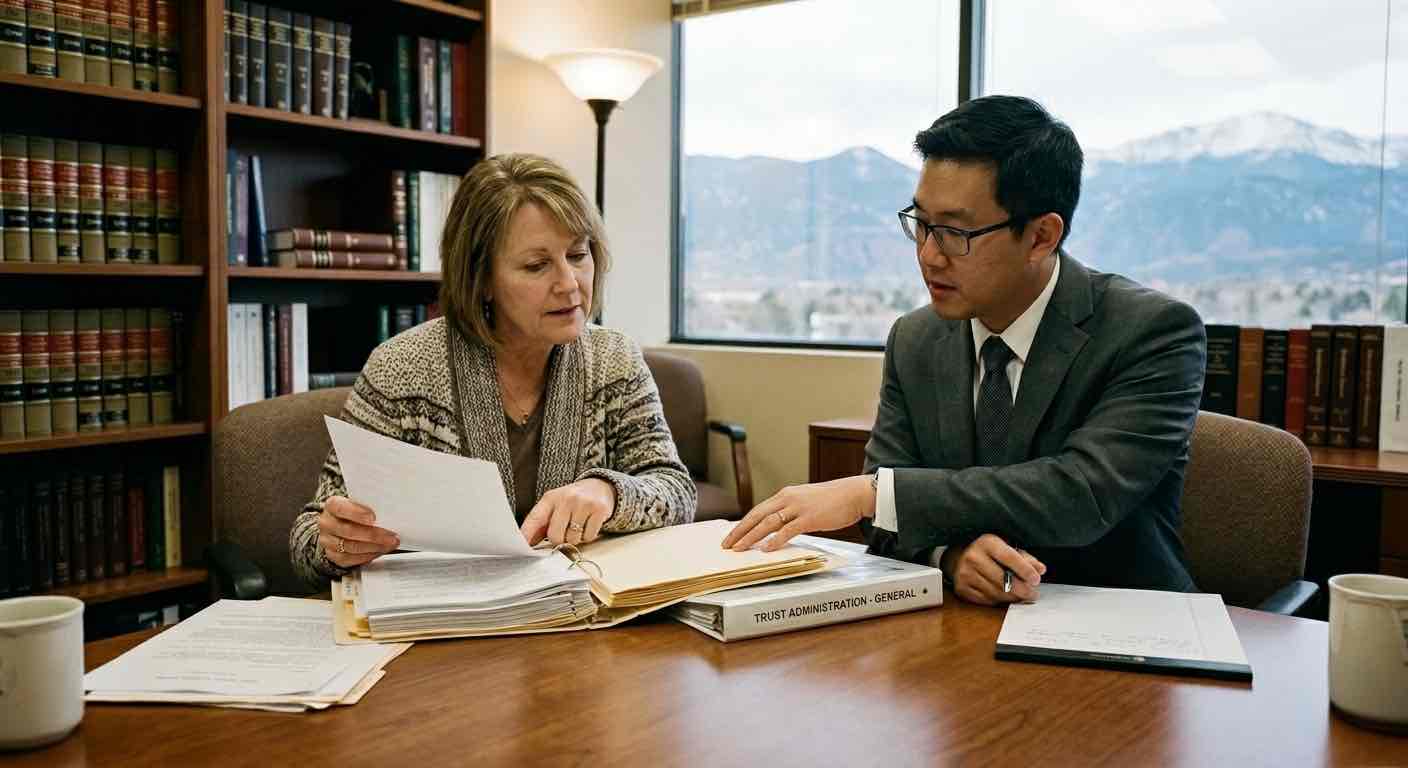
Stepping into the role of trustee can feel overwhelming, especially because it often happens during an already difficult time. What sounds straightforward on paper can quickly turn into managing financial details, gathering documents, communicating with family members, and keeping the administration process moving forward.
For families in Colorado Springs, understanding the trust administration process ahead of time can help avoid delays and make responsibilities feel more manageable. Every trust is different, but there are several issues that tend to come up repeatedly during administration.
Trust Administration Involves More Than Distributing Assets
One of the biggest misunderstandings is assuming trust administration only means handing out inheritances.
A trustee may need to gather financial records, identify trust assets, notify beneficiaries, manage property, pay expenses, address taxes, maintain detailed records, and follow the instructions contained in the trust document.
Depending on the estate, the process can continue for months or longer.
Working with a trust attorney Colorado Springs families rely on can help trustees understand their responsibilities and avoid missing important steps during administration.
Failing to Read and Understand the Trust Document
One of the most common mistakes happens right at the beginning.
Trustees sometimes start making decisions before fully reviewing the trust document. It is easy to assume you understand the instructions, especially if you were involved in conversations before the trust was created.
However, trusts often contain specific directions regarding distributions, trustee authority, successor trustees, and asset management.
Two trusts may look similar at first glance but operate very differently.
Trustees should pay close attention to distribution instructions, trustee powers, beneficiary provisions, and any directions involving real estate, businesses, or ongoing asset management responsibilities.
Taking the time to understand the trust early often helps avoid confusion later.
Poor Communication With Beneficiaries
Communication issues are one of the quickest ways trust administration becomes more stressful.
Beneficiaries often do not know what to expect or how long the process may take. Without updates, delays can sometimes feel larger than they really are.
Trustees do not need to communicate constantly, but keeping beneficiaries informed often helps avoid misunderstandings.
Providing occasional updates, explaining timelines, documenting decisions, and keeping records of important conversations can go a long way toward preventing misunderstandings during administration.
Clear communication often helps preserve relationships while administration moves forward.
Mixing Trust Assets With Personal Assets
Trust assets should remain separate from personal assets.
Using personal accounts for trust funds or mixing expenses together can create problems later, especially when records need to be reviewed.
Keeping everything organized from the beginning usually makes administration much easier.
Keeping trust accounts separate, maintaining organized records, tracking expenses, and documenting transactions can make administration much easier and help avoid questions later.
Good records protect beneficiaries and help trustees demonstrate proper administration.
Delaying Important Administration Tasks
Trust administration often happens while families are grieving, which can make it tempting to postpone responsibilities for a while.
Unfortunately, waiting too long can create additional challenges. Property still needs attention, expenses continue, and deadlines do not stop.
Tasks That Often Need Early Attention
Some of the first steps may include:
- Locating trust documents
- Identifying trust assets
- Checking on and maintaining property
- Gathering financial records
- Reviewing debts and expenses
- Organizing account information
Starting these tasks early often helps prevent larger issues later.
Overlooking Taxes and Financial Obligations
Taxes sometimes catch trustees by surprise.
Depending on the trust and assets involved, there may be tax filings, property taxes, trust returns, or other financial responsibilities that still need attention during administration.
An estate planning attorney Colorado Springs families work with can often help trustees identify obligations and avoid missing important deadlines.
Assuming taxes disappear because assets are held in trust can create unnecessary complications.
Distributing Assets Too Quickly
Beneficiaries understandably want closure, but moving too quickly is not always the best approach.
Distributions made before expenses, taxes, valuations, or administration costs are addressed can create additional issues.
Before making distributions, trustees often benefit from understanding:
- Remaining expenses
- Outstanding obligations
- Asset values
- Tax considerations
- Administrative costs
Taking a little more time up front may help avoid problems later.
Trustees Do Not Have To Handle Everything Alone
Serving as a trustee comes with important responsibilities, and it often happens during an emotional period for everyone involved.
Getting guidance early can help reduce stress, avoid delays, and keep administration moving in the right direction.
At Mason Law and Planning, our team helps trustees and families throughout Colorado Springs and surrounding Colorado communities navigate trust administration and estate matters. Whether you have questions about serving as trustee or administering a trust, a Colorado Springs estate attorney can help provide guidance along the way. Call our office or reach out through our website to schedule a time to talk.